Across today’s competitive deal landscape, timelines are tighter, data is denser, and stakeholders expect precision. Traditional toolkits—scattered spreadsheets, siloed data providers, endless email threads—slow down momentum and invite risk. Modern M&A software replaces this patchwork with a single, intelligence-rich workspace that aligns strategy, origination, diligence, and execution. The result is simple: fewer dropped balls, faster cycles, and better outcomes. By combining secure data management, automated analysis, and collaboration built for cross-border teams, next-generation platforms give dealmakers the leverage to move with confidence—whether you’re pursuing a carve-out in DACH, a cross-border roll-up in the Benelux, or a growth equity investment across the wider European market.
From Origination to Close: What Great M&A Software Really Does
High-performing deal teams know that success starts long before a data room opens. The best M&A software delivers an end-to-end operating system for the entire lifecycle. On the front end, advanced search and market mapping consolidate public and private signals—company registries, trading comps, funding rounds, patents, hiring velocity—into a dynamic landscape of potential targets and buyers. Smart filters and similarity search surface adjacencies you might otherwise miss, while watchlists and automated alerts keep relevant assets and themes top of mind without manual trawling.
As conversations begin, relationship intelligence and pipeline management come into play. A unified deal board tracks every opportunity from first touch to LOI, with stages, probability weighting, next steps, and stakeholder notes all in one place. Email and calendar integration eliminates duplicate data entry and keeps chronology clean. Playbooks formalize repeatable steps—NDAs, teaser distribution, Q&A protocols—so juniors and partners work from the same choreography. That consistency compounds over time, improving hit rates and lesson retention from cycle to cycle.
During diligence, document automation and structured data capture do the heavy lifting. Smart extraction turns PDFs and presentations into normalized fields—revenue by segment, churn, cohort performance—ready for quick analysis and benchmarking. Embedded workflows coordinate cross-functional reviews with finance, legal, tax, tech, and ESG. Tasks, deadlines, and approvals are transparent, reducing friction and rework. Risk dashboards flag anomalies, missing documents, or out-of-range KPIs, helping teams focus on what matters most. When it’s time to negotiate and sign, integrated version control and e-signature streamline finalization while preserving audit trails that stand up to scrutiny.
Critically, robust governance underpins every click. Enterprise-grade role-based access control, encryption at rest and in transit, and regional data residency—especially important for European transactions—ensure sensitive information remains protected. With this foundation, deal origination, evaluation, and execution stop being separate chores and become one continuous, orchestrated flow.
AI That Augments the Deal Team—Not Replaces It
The most transformative shift in today’s tools is the rise of AI designed to amplify human judgment. Rather than offering black-box answers, leading platforms embed explainable intelligence at each step. In origination, AI can crawl vast, multilingual sources, then link fragmented references through entity resolution to build accurate company profiles. Similarity models suggest lookalike targets based on product, customer segment, and go-to-market, not just SIC codes. For bankers and corporate development leaders, this expands the strategic aperture without multiplying manual effort.
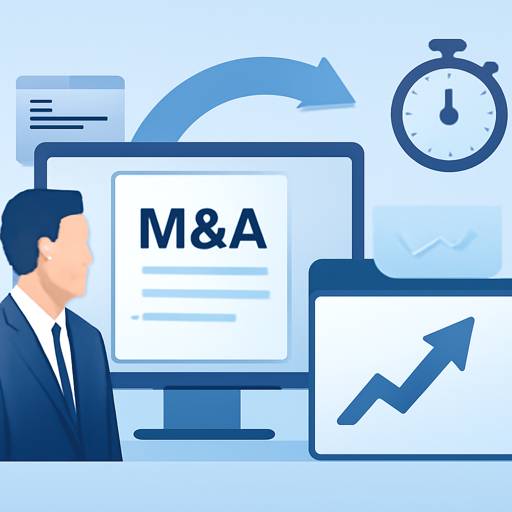
In diligence, AI accelerates comprehension. Natural language processing summarizes lengthy CIMs and technical appendices, highlighting clauses and metrics that differ from market norms. Computer vision reads scanned contracts and historic statements, extracting tables into analyzable formats. Time-series models test scenarios against seasonality and customer cohorts, while anomaly detection flags inconsistencies between management narratives and raw data. Critically, every recommendation links back to source passages or cells, preserving the chain of reasoning and enabling analysts to validate or challenge conclusions.
Human-in-the-loop controls are essential. The best M&A software keeps analysts firmly in charge with adjustable confidence thresholds, override capabilities, and side-by-side comparisons of AI versus manual results. Fine-grained audit logs capture who reviewed what and when, supporting compliance. In Europe, adherence to GDPR and emerging AI governance norms is non-negotiable: privacy-by-design architectures, data minimization, and clear retention policies ensure sensitive materials never wander outside approved boundaries. For cross-border teams working from Brussels to Paris and beyond, sovereign hosting options keep data within European jurisdictions, reducing regulatory risk and client concerns.
The payoff is twofold. First, AI removes repetitive grind—entity matching, document classification, table extraction—freeing scarce talent to focus on negotiation strategy, value creation theses, and cultural fit. Second, it uncovers non-obvious patterns: supplier concentration risks buried in invoice data, churn signals hidden in support logs, or customer overlap opportunities in CRM exports. When AI is deployed as an assistant—not an oracle—it becomes a durable advantage that compounds with every transaction your team executes.
Choosing and Implementing M&A Software: Practical Playbooks for Banks, Corporates, and Funds
Selecting the right platform starts with clear objectives. Mid-market banks often prioritize deal flow management, proprietary origination, and outbound process efficiency. Corporate development teams value cross-functional collaboration, integration with finance and procurement systems, and governance over sensitive IP. Private equity funds emphasize streamlined screening, portfolio synergies, and rigorous diligence. Map these priorities to a shortlist and run scenario-based demos—can the platform ingest a 500-page data room, reconcile it with your house model, and flag red-line issues in an afternoon?
Non-negotiable criteria include security certifications, regional data residency, and granular permissions. Confirm encryption standards, SSO support, and the ability to segregate sensitive projects. For European organizations, insist on EU hosting and clear contractual alignment with GDPR requirements. Integration matters just as much: bi-directional sync with CRM and email, connectors to data providers, APIs for BI tools, and export formats compatible with your modeling stack. Latency, auditability, and scalability under peak loads are practical tests worth running early.
Implementation thrives on phased adoption. Start with a pilot focused on one pipeline or region, establish naming conventions and stage definitions, then scale. Migrate only clean, high-value data from legacy spreadsheets; archive the rest. Define KPIs up front—cycle time from intro to LOI, conversion by source, diligence turnaround, leak rate of tasks, and post-merger integration milestones. Weekly dashboards create feedback loops that keep behavior aligned with strategy. Provide role-based training: associates on data capture and workflow hygiene, VPs on reporting and forecasting, partners or CFOs on portfolio-level insights. To accelerate change, pair power users with new adopters and celebrate quick wins like a reclaimed week in diligence or an expanded buyer list from AI-driven mapping.
Real-world examples underscore the impact. A boutique in the Benelux used AI-assisted screening to triple qualified targets in a fragmented industrial niche, leading to two bolt-ons completed within six months. A corporate in Brussels consolidated email, pipeline, and diligence into one hub, cutting meeting prep time by 40% and improving executive alignment on valuation thresholds. A growth fund harmonized deal playbooks across offices, reducing variance in diligence quality and improving post-close value creation tracking. When evaluating vendors, include options like M&A software and insist on proof through live data exercises that mirror your toughest transactions. The right choice doesn’t just digitize old processes—it re-architects how your team finds, evaluates, and wins the next great deal.

Lagos fintech product manager now photographing Swiss glaciers. Sean muses on open-banking APIs, Yoruba mythology, and ultralight backpacking gear reviews. He scores jazz trumpet riffs over lo-fi beats he produces on a tablet.