Walking into a tattoo studio for the first time – or even the tenth – brings a cocktail of excitement and apprehension. The buzz of the machine, the smell of green soap, and the thought of a needle piercing your skin thousands of times per minute can make anyone’s heart race. Yet what if the sharp, burning sensation that many associate with getting inked could be dialled down to a gentle, manageable pressure? This is not a far‑off fantasy; it is the everyday reality for countless clients who have discovered the true value of a high‑quality numbing cream for tattoos. Far from being a crutch for the faint‑hearted, modern topical anaesthetics have become a respected tool that allows artists to work more precisely and clients to sit longer, turning ambitious sleeve projects and delicate rib‑cage pieces into achievable goals.
In a landscape flooded with skin‑care products, understanding the science, the selection criteria, and the correct application method separates a deeply comfortable session from a disappointing one. A carefully chosen numbing cream does more than just mute the pain. It helps stabilise the body’s stress response, reducing involuntary muscle twitching and allowing the tattooist to pull cleaner lines. Whether you are stepping into a street‑front parlour in Manchester, a private London studio, or a coastal shop in Brighton, the conversation around pain management during tattoos has shifted. It is no longer a taboo but a practical step in creating art on a calm, still canvas. Let us dive straight into how these creams work, how to pick the right one, and how to integrate them seamlessly into your tattoo journey.
How Tattoo Numbing Creams Work and Why They’re a Game‑Changer
At the heart of every effective numbing cream for tattoos lies a class of active ingredients known as local anaesthetics, most commonly lidocaine and sometimes prilocaine or tetracaine. These compounds belong to the amide family and function by temporarily blocking the sodium ion channels in nerve cell membranes. When your skin is broken by a tattoo needle, pain receptors called nociceptors send an electrical signal through nerve fibres to your brain, translating the mechanical injury into that familiar sharp sting. Lidocaine interferes with this signal precisely at the site of application. By inhibiting the rapid influx of sodium ions required for nerve impulse transmission, it prevents the depolarisation of the nerve cell, effectively numbing the area and creating a localised analgesic effect that lasts between one and four hours, depending on the formulation.
What turns a basic lidocaine ointment into a true game‑changer is its ability to address both the physical and psychological dimensions of pain. On the physical side, a cream with a concentration typically between 4% and 5% lidocaine works by penetrating the epidermis and dermis when applied under occlusion – meaning wrapped tightly with plastic film. The occlusion traps body heat and moisture, expanding the hair follicles and sweat gland openings, which dramatically enhances the absorption rate and depth. Within 45 to 90 minutes, the superficial nerve endings become sufficiently desensitised. This means the initial wipe with the alcohol pad, the outlining needle, and that critical first pass of line work become considerably more bearable. Many clients report feeling only a dull vibration or a light scratching sensation, which is especially crucial during the first few minutes when the adrenaline has not yet kicked in fully.
The psychological impact is equally profound. Pain anticipation often causes clients to hold their breath, tense their muscles, and fidget – all of which create an unsteady surface for the artist. When a reliable numbing agent is used, the fear response is dialled down. This reduction in anxiety means blood pressure remains more stable, bleeding is often minimised, and the skin stays less inflamed. Tattoo artists across the UK have noted that a calm client translates directly into faster healing times and sharper ink retention. An entire piece that might have required two short, tense sessions can sometimes be completed in one extended sitting because neither the client’s endurance nor the artist’s concentration is fractured by repeated pain spikes. The cream does not remove all sensation, which is essential for the artist to gauge depth correctly, but it redefines the experience, transforming a test of pure tolerance into a collaborative art session. From sensitive inner‑bicep areas to bony ankles, this targeted nerve block is what allows people with lower pain thresholds to finally commit to the design they have always wanted.
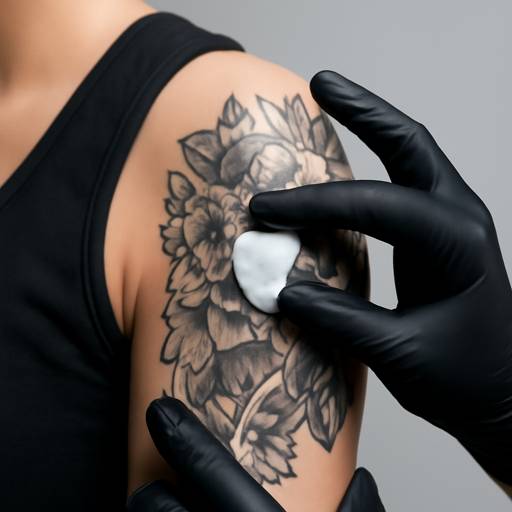
Choosing the Right Numbing Cream for Your Tattoo Session
Not all topical anaesthetics are created equal, and selecting a product that is specifically formulated for tattooed skin – rather than a general numbing gel meant for waxing or microneedling – can make the difference between a successful session and a frustrating mid‑tattoo pain resurgence. The ideal numbing cream for tattoos needs to strike a delicate balance: it must be potent enough to provide deep, sustained numbness, yet gentle enough that it does not alter the skin’s texture or cause excessive vasoconstriction, which can make the epidermis too taut or leathery. Artists often complain that poor‑quality creams change the way the skin takes ink, leading to a slippery or rubbery feel. That is why many seasoned professionals recommend a specialist numbing cream for tattoos that has been dermatologically tested and widely adopted within the tattoo community.
When evaluating your options, start by scrutinising the active ingredient panel. A high‑purity lidocaine base, often at 5%, is a gold standard. Some advanced formulations combine lidocaine with prilocaine to extend the duration of action, while others add a small amount of epinephrine. Epinephrine constricts local blood vessels, reducing bleeding and keeping the anaesthetic in the treatment area for longer, which is particularly useful during long sessions on highly vascular areas like the sternum or the back of the knee. However, epinephrine is not suitable for everyone, especially those with heart conditions, so a medical consultation is always advisable. Beyond the ingredients, look for a cream that includes soothing agents such as aloe vera, vitamin E, or chamomile. These constituents help calm the skin barrier during the occlusion phase, reducing the likelihood of redness or a histamine reaction once the wrap is removed.
Authenticity and packaging integrity are non‑negotiable in a market that unfortunately sees counterfeit products. A trustworthy numbing cream will often feature tamper‑evident seals, batch‑specific expiry dates, and holographic security elements on the box and tube. Brand‑name products that incorporate a holographic seal packaging are much harder to replicate, giving you confidence that you are applying a genuine, medically compliant formula to your largest organ. For UK clients, this means seeking suppliers who can verify their supply chain and who store products correctly to prevent denaturation of the active ingredients. Pay attention to whether the cream is water‑based rather than oil‑based. Water‑based formulations are easier to wash off completely before the session, leaving zero residue that could interfere with stencil application. A cream that rinses off cleanly with mild, unscented soap ensures the artist’s transfer lines stay crisp and the first pass of the needle meets a perfectly prepared dermis, not a slippery film. Client testimonials repeatedly highlight that spending a few extra minutes researching a reliable, artist‑approved formula is the single biggest investment you can make in a smooth tattoo day.
Using Numbing Cream Safely: Application Tips and Real‑World Scenarios
Even the most advanced numbing cream for tattoos will underperform if applied incorrectly, and proper technique is as vital as the product itself. The process begins with skin preparation. Scrub the target area with an antibacterial, fragrance‑free soap to remove dirt, oils, and dead skin cells. Pat the skin completely dry; any moisture left underneath the cream will dilute the active ingredients and slow down absorption. Next, apply a generous, even layer of cream – about the thickness of a pound coin – over the entire tattooing area. Do not rub it in as you would a moisturiser. Instead, spread it gently and evenly with a spatula or a gloved finger to avoid washing your own fingertips numb. Immediately cover the cream with a high‑quality cling film, pressing it down to create an air‑tight seal. The occlusion phase typically needs a minimum of 45 to 60 minutes for deep tissue penetration, though some long‑acting formulas are designed to be applied 90 minutes before the artist gets to work.
Timing is everything. In a real‑world scenario, imagine Leah, a teacher from Birmingham preparing for a botanical half‑sleeve on her outer forearm – an area with moderate nerve density but long outlining sessions. Leah applied her lidocaine‑based cream one hour before her appointment, wrapped it tightly, and kept the area warm by wearing a loose long‑sleeved top. When the cling film was removed in the studio, her skin was visibly calm, and the artist’s test line felt like a thin pencil being drawn on her arm. The real test, however, came two hours into the shading work when the numbness naturally began to fade. Because Leah had communicated with her artist beforehand, they had a plan: a secondary application of a fast‑acting spray or gel after the skin had been opened by the initial line work. This layered approach – cream before the session, and a touch‑up numbing product on broken skin later – is a standard protocol for long sessions. The broken skin absorbs anaesthetics even more rapidly, providing continued comfort without compromising the artwork.
Certain body placements demand extra strategy. Sensitive areas such as the ribs, inner thigh, or the back of the neck often have thinner skin and a higher concentration of nerve endings, which can make the pain feel more intense and the numbing effect wear off slightly faster. For these spots, extending the occlusion time to 90 minutes and ensuring the cream is not applied too close to mucous membranes is crucial. Never apply standard numbing cream to broken skin before the tattoo begins; this can cause systemic absorption and irritation. Equally important is the patch test: a small dollop on the inner elbow 24 hours prior to the appointment can rule out any allergic reaction to lidocaine or the preservatives in the cream. Artists across the UK appreciate when a client arrives having performed this simple safety step, as it eliminates the risk of a surprise erythema flare‑up that could halt the session. Whether you are a first‑timer terrified of the needle or a collector tapping into high‑pain zones like the knee ditch or elbow, these methodical habits transform numbing cream from a gamble into a reliable, predictable part of your aftercare‑conscious tattoo ritual. By respecting the product’s instructions, embracing the occlusion technique, and working in partnership with your artist, you turn every session into a testament to endurance that is defined by art, not by agony.

Lagos fintech product manager now photographing Swiss glaciers. Sean muses on open-banking APIs, Yoruba mythology, and ultralight backpacking gear reviews. He scores jazz trumpet riffs over lo-fi beats he produces on a tablet.