Understanding TKTX Numbing Cream: How It Works and Why It’s So Popular
Walk into any tattoo studio or aesthetic clinic today and one name keeps surfacing in conversations about pain management: TKTX numbing cream. Originally formulated for cosmetic and dermatological procedures, this topical anaesthetic has become the benchmark that both professionals and first-timers use to plan their comfort strategy. But what exactly makes a tktx numbing product so effective, and why has it earned such a devoted following across the UK? The answer lies in how it interacts with the body’s pain signalling system at a cellular level. The active ingredients in authentic TKTX formulas—typically lidocaine, prilocaine, and a small amount of epinephrine—work together to temporarily block sodium channels in nerve endings. When applied to intact skin and allowed to absorb over a 45- to 60-minute window, the cream penetrates the dermis and creates a localised numbing field that can last anywhere from two to four hours. This is not a superficial chill like an ice pack; it’s a targeted, chemical interruption of the pain impulse before it ever reaches the brain.
What truly sets tktx numbing apart from generic over-the-counter numbing agents is its formulation balance. Many cheaper creams rely solely on low-concentration lidocaine and wear off quickly, often mid-procedure. The best TKTX variants, however, combine lidocaine with prilocaine (or, in certain formulations, tetracaine) to extend both the depth and duration of the numbing effect. A small quantity of epinephrine constricts capillaries at the application site, which reduces bleeding and slows the systemic absorption of the anaesthetic, keeping it locked within the skin longer and making it particularly valuable during tattoo sessions, micropigmentation, and laser hair removal. This multi-angled approach is one reason the phrase “TKTX numbing cream” has become so deeply embedded in online searches: people aren’t just looking for pain relief; they’re looking for predictable, long-lasting control that allows the artist or clinician to work without interruption.
The popularity of TKTX numbing also owes much to the way it enters tissue. Unlike some occlusive numbing methods that require messy cling film and tape for hours, a correctly applied layer of TKTX cream—spread thickly like cake frosting and sealed with a breathable film—reaches peak effectiveness in around an hour. The cream’s carrier base, often a blend of water, emulsifiers, and moisturising agents, helps the active ingredients migrate into the epidermal and dermal layers without causing the burning sensation reported with lesser products. For anyone scheduling a rib cage tattoo, a sternum piece, or an intricate areola restoration after mastectomy, this predictable onset is a game-changer. It transforms the experience from one of white-knuckle endurance into something closer to a dull pressure, allowing clients to sit longer and artists to deliver cleaner, more focused work. That reliability is exactly why so many newcomers searching for tattoo numbing cream begin their research with TKTX Numbing Cream and then use it as a reference point before exploring any alternatives.
Using TKTX Numbing for Tattoos and Beyond: Real-World Applications and Best Practices
While tattoos remain the most visible arena for tktx numbing, limiting the conversation to body art misses a much larger picture. In practice, authentic TKTX cream has become a quiet workhorse across a surprising range of aesthetic and minor medical procedures. Permanent makeup artists rely on it before microblading, lip blushing, and scalp micropigmentation because the area must remain completely still, and even small flinches can compromise crisp hair-stroke patterns. Electrologists and laser technicians apply it before targeting sensitive areas like the upper lip, bikini line, and underarms. Dermatologists have been known to use similar compounded formulations before skin biopsies and vascular lesion treatments. Each of these scenarios demands something slightly different from a numbing cream—sometimes rapid onset, sometimes exceptionally deep numbing, sometimes minimal vasoconstriction—and the various TKTX formulas (often distinguished by colour-coded packaging such as gold, green, or black) have been developed to address those nuances. A green-label cream might prioritise a lighter, fast-onset effect for quick facial needling, while a black-label option brings a higher lidocaine load for difficult hours under the tattoo machine.
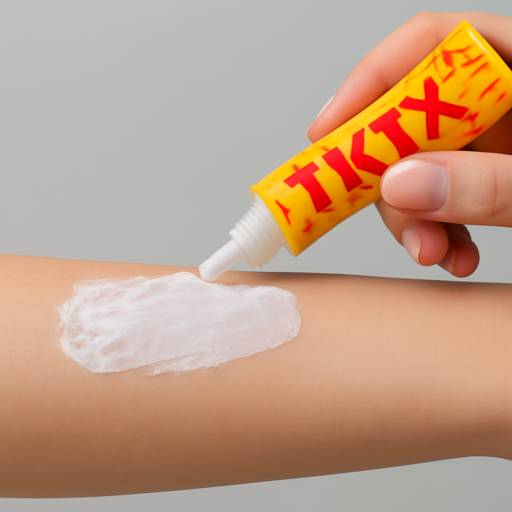
Applying TKTX numbing cream correctly is just as important as choosing the right variant. The biggest mistake users make is rushing. The skin must be clean, dry, and free of any oil or lotion, because even thin barriers can prevent the anaesthetic from reaching the sensory nerves. A thick, opaque layer—roughly one to two millimetres—needs to be applied and then covered with a non-porous wrap. Plastic cling film works, but a dedicated occlusive film like those used in medical settings is even better because it traps body heat and moisture, gently steaming the skin open. After about 30 minutes, many people begin to feel a distinct coolness and then a turning-off sensation, but leaving the cream on for a full 60 minutes ensures the dermal nerve endings are fully saturated. In a busy UK tattoo studio, artists will often apply the cream themselves, mark the covered area with a skin-safe pen to define the treatment zone, and then set a timer. This deliberate, protocol-driven approach is what separates a “numbed” experience that actually works from one that disappoints.
Real-world feedback paints a clear picture of what happens when the process is followed. Consider a client who had avoided a large back piece for years because she couldn’t tolerate the pain of even a small outline. After prepping with a black-label tktx numbing cream and following the hour-long dwell time, she was able to sit for a three-hour shading session, describing the sensation as “a pencil being drawn over thick leather.” Another case involved a microblading artist in Manchester who switched to a fast-acting TKTX formula after clients complained about the stinging of her previous cream. She found that not only did the pain scores drop, but the reduced bleeding tightened her strokes and shortened healing time. These examples highlight a crucial point: numbing is not just about comfort; it directly influences the quality of the result. When a client isn’t tensing, flinching, or leaking excess tissue fluid, the artist can work faster and with greater precision. That outcome-based advantage is why so many professionals now build their pre-procedure protocols around TKTX.
Navigating the UK Market: Identifying Genuine TKTX Numbing Products and Staying Safe
With immense popularity comes a predictable shadow market, and tktx numbing is no exception. A quick search will reveal a blizzard of sellers, often at prices that seem too good to be true, and in many cases they absolutely are. Counterfeit TKTX creams have been documented across the UK, sometimes containing inconsistent levels of active ingredients and, in rare but serious instances, undeclared substances that can cause skin burns, allergic reactions, or systemic toxicity. Because a numbing cream works by absorbing into the bloodstream—albeit in carefully controlled amounts—the composition matters enormously. Genuine products from the manufacturer follow strict formulation guidelines and include batch numbers, tamper-evident seals, and accurate ingredient lists. For customers who rely on these creams for hours-long procedures, cutting corners on authenticity is not just risky; it can be dangerous. That’s why the safest route for anyone in London, Birmingham, Glasgow, or anywhere else in the country is to source from a verified UK-based supplier. For those based in the UK, securing authentic tktx numbing cream from a trusted source is paramount, as it guarantees the product has been stored, shipped, and handled under conditions that preserve its efficacy and safety.
The local landscape also shapes how TKTX is used. In the UK, many aesthetic practitioners are now working under tighter regulatory oversight, with insurers and local councils paying closer attention to what products are applied to clients’ skin during semi-permanent makeup and advanced beauty treatments. A practitioner using an unverified numbing cream could find their insurance voided. This has pushed the British market towards professional-grade, traceable sourcing, and the brand’s established reputation makes it a preferred choice for technicians building a compliant treatment room. Clients, too, are becoming savvier: they arrive at appointments already having read about TKTX numbing cream on forums and social media, and they ask specific questions about which colour label will be used and whether the cream is fresh. This educated consumer behaviour—often starting with the search query “tktx numbing”—has created a market where quality and transparency are no longer optional extras; they’re the baseline.
Equally important is understanding that TKTX numbing products are not miracle shields. Even the best cream will struggle if applied to broken skin, infected skin, or extremely calloused areas without proper preparation. People with certain health conditions—severe liver impairment, glucose-6-phosphate dehydrogenase deficiency, or sensitivity to amide anaesthetics—should consult a doctor before using any lidocaine-based cream. Pregnant and breastfeeding women should also seek medical advice, as systemic absorption, though minimal when the product is used correctly, has not been comprehensively studied in those populations. Patch testing 24 hours before a major procedure has become standard advice in UK studios, and it’s a small step that can prevent a large problem. By pairing diligent safety habits with a genuine, high-quality cream, users on both sides of the treatment bed create an environment where artistry can happen without the distraction of pain. The benchmark role that TKTX plays in the numbing cream world persists not because of flashy marketing, but because when the formulation is authentic, the application is precise, and the source is reliable, the results speak directly to the nerves.

Lagos fintech product manager now photographing Swiss glaciers. Sean muses on open-banking APIs, Yoruba mythology, and ultralight backpacking gear reviews. He scores jazz trumpet riffs over lo-fi beats he produces on a tablet.