The demand for premium botanicals continues to rise among artisans, researchers, natural dye enthusiasts, and craftspeople who value traceable origins and consistent performance. Among these materials, mimosa hostilis root bark powder 1kg stands out as a versatile, high-value option for studios and labs that require dependable color, texture, and purity. The 1kg format strikes an ideal balance—substantial enough for batch work and controlled experiments, yet manageable for careful storage and long-term project planning. When responsibly harvested and properly processed, MHRB powder delivers reliable outcomes in natural dyeing, leatherwork, wood finishing, botanical demonstrations, and other legitimate applications that benefit from its dense tannin profile and rich pigment potential. The key is understanding how to evaluate quality, choose the right supplier, and store your material to preserve its integrity from the moment it arrives.
What Sets Premium Mimosa Hostilis Root Bark Powder 1kg Apart?
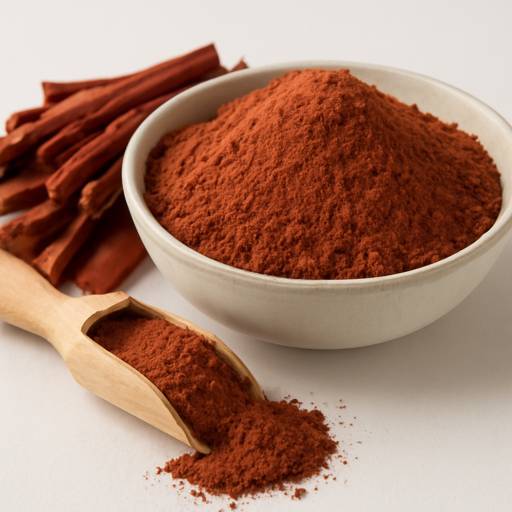
Quality begins at the source. Ethical harvesting ensures the long-term availability of Mimosa hostilis and maintains ecological balance. Reputable suppliers work directly with responsible growers who respect seasonal cycles and tree health, avoiding overharvesting while selecting mature root bark with optimal density and color. This upstream care shows in the final product: a fine, evenly milled powder with a rich, natural hue and a clean botanical aroma free from mustiness or chemical overtones.
Processing standards make a significant difference. The best MHRB is carefully cleaned, dried under controlled conditions, and milled to a consistent particle size for predictable extraction of tannins and pigments in lawful, craft-focused contexts. Consistency matters when reproducing results: whether you are creating a series of leather goods with a signature shade or running a comparative study, a uniform mesh size can help ensure repeatable outcomes from batch to batch. Premium suppliers often maintain strict lot control, allowing you to reference specific batches, track performance notes, and confidently reorder when you find the perfect fit for your workflow.
Purity and integrity are equally important. Well-handled mimosa hostilis root bark powder 1kg should be free from excess stems, soil, or foreign plant matter that can cloud colors or skew test results. Transparent product information—covering origin, handling practices, and quality checkpoints—signals a supplier’s commitment to reliability. Many artisans also value photographic documentation that shows the powder’s typical appearance, making it easier to align expectations with real-world outcomes.
Finally, packaging plays a quiet but crucial role. Look for durable, resealable pouches or bags designed to protect against light and moisture. A robust seal minimizes humidity intrusion, while opaque or UV-resistant materials help preserve color integrity over time. When combined with careful milling and ethical sourcing, proper packaging completes a quality chain that starts in the field and continues to your studio or lab bench.
Practical Applications: Natural Dyes, Crafts, and Research
The appeal of mimosa hostilis in legitimate craft and research settings comes down to versatility and depth of tone. For natural dyeing, MHRB is valued for its abundant tannins and the character it lends to textiles and leather. Crafters working with cotton, linen, silk, or wool appreciate the way controlled preparation and mordanting techniques allow them to coax warm, earthy shades that can range from delicate blush to deeper, more complex tones. In leatherwork, artisans use carefully managed dye baths to achieve coloration that highlights texture and grain without overpowering the material’s natural beauty.
Beyond textiles and leather, woodworkers and restoration specialists turn to MHRB as a natural colorant for small decorative accents, samples, or test panels when exploring plant-based finishes. Because the powder is fine and consistent, it lends itself to repeatable trials where variations in time, temperature, and pH can be documented for future reference. In studio settings, artists may incorporate MHRB pigment into mixed-media projects or botanical ink experiments, testing how the color behaves on different surfaces and under various binders.
Soap makers and artisans crafting botanical-themed goods sometimes explore MHRB as a natural colorant for aesthetic purposes, with attention to the material’s characteristics in different bases. Incense makers and makers of aromatic blends may also experiment with small, lawful inclusions to achieve a specific visual profile, always aligning with local regulations and best practices for safe handling in well-ventilated environments.
For research and educational demonstrations, the uniformity of a mimosa hostilis root bark powder 1kg pack makes it suitable for comparative studies that require consistent input material. Whether illustrating concepts in plant chemistry, investigating natural pigmentation, or supporting coursework in ethnobotanical traditions, standardized milling and batch consistency support reliable, well-documented observations. A practical real-world example: a leather artisan seeking a signature tone logs each trial’s water temperature, bath duration, and fabric/leather type. With a consistent powder lot, their notes translate into a repeatable palette that can be scaled to small production runs without introducing unwanted variability.
How to Choose, Store, and Order 1kg Packs with Confidence
Choosing the right supplier for mimosa hostilis root bark powder starts with transparency. Look for clear explanations about sourcing regions, sustainable harvesting practices, and quality controls. When vendors share detailed product photos, typical color ranges, and milling notes, it signals confidence in their material. Customer support that can answer questions about batch consistency, handling, or shipping timelines further helps you plan your projects with minimal surprises.
Value isn’t just about price per kilogram; it’s about performance over time. A 1kg pack is attractive because it enables larger projects and reduces variation between small purchases. It also streamlines inventory management for studios and labs. Consider your consumption rate and plan ahead so you can keep a buffer without overstretching storage capacity. Well-sealed packaging preserves freshness; many experienced users decant a working portion into a smaller airtight container and keep the remainder sealed until needed.
Proper storage extends shelf life and protects color integrity. Keep your mimosa hostilis root bark powder 1kg in a cool, dry, and dark place. Minimize exposure to humidity by resealing bags promptly and avoiding temperature swings that cause condensation. Clean scoops and designated tools prevent cross-contamination, helping you maintain the purity expected in craft and research environments. Simple habits—labeling containers with the batch number and date, tracking small test results, and noting environmental factors—pay dividends when you need to replicate a successful outcome months later.
When you’re ready to source, evaluate shipping options and delivery times that align with project schedules. Responsible suppliers serve customers worldwide while honoring local regulations and intended uses. If you’re comparing vendors, a single 1kg test order can provide the data you need on color performance, consistency, and packaging before committing to larger quantities. To explore current availability and detailed product information, consider mimosa hostilis root bark powder 1kg from a specialist focused on ethical sourcing, rigorous quality checks, and dependable customer support. With thoughtful selection and proper care, your 1kg pack becomes a stable, repeatable foundation for natural dyes, artisan crafts, and research that values authenticity and sustainability.

Lagos fintech product manager now photographing Swiss glaciers. Sean muses on open-banking APIs, Yoruba mythology, and ultralight backpacking gear reviews. He scores jazz trumpet riffs over lo-fi beats he produces on a tablet.