The graceful, arched profile of a gooseneck light is more than a nod to classic barn fixtures—it’s a proven design that blends character, control, and durability. From welcoming front porches and farmhouse garages to bustling storefronts and gallery walls, the gooseneck silhouette delivers targeted illumination with unmistakable style. Built with an appreciation for old-fashioned craftsmanship and engineered for modern performance, today’s fixtures pair heavy-duty shades and precision arms with efficient LEDs, weather-ready finishes, and refined details that feel right at home in both heritage and contemporary spaces.
Whether the goal is to spotlight signage without glare, layer warm accent light indoors, or toughen up exterior lighting in challenging climates, the versatile gooseneck format shines—literally and figuratively. The result is lighting that looks curated, lasts for years, and makes everyday spaces feel intentional.
What Is a Gooseneck Light and Why It Works Everywhere
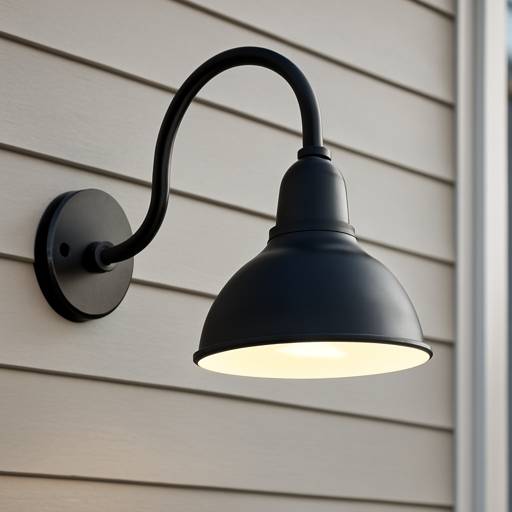
At its core, a gooseneck light is a wall-mounted fixture with a curved, swan-like arm that positions a domed or angled shade over the target area. That curve isn’t just handsome; it’s functional. By pulling the shade forward and tilting it down, the design places light exactly where you need it—on a sign, a doorway, a workbench, or a kitchen shelf—while reducing glare and spill. Shades typically range from 8 to 20 inches in diameter for different coverage areas, and the arc of the arm controls projection from the wall so you get a clean, predictable beam.
Materials and finishes amplify the appeal. Many high-quality fixtures use heavy-gauge steel shades that are spun and formed for rigidity, then finished with resilient powder coating that stands up to sun, rain, and regular cleaning. Classic matte black and crisp white are perennial favorites; textured galvanized tones complement coastal and industrial settings; and warm metallic accents can elevate hospitality interiors. The restrained geometry and handsome hardware make the gooseneck light a rare hybrid: it’s rugged enough for barns and garages, refined enough for city storefronts, and subtle enough to frame residential architecture.
Performance-wise, a good gooseneck directs light down and out with a controlled, semi-cutoff distribution that minimizes light trespass. That’s one reason sign installers, architects, and preservation boards love them—they emphasize the subject without over-lighting the night sky. Pairing with LED bulbs or integrated modules in the 2700K–3000K range creates cozy, hospitality-ready warmth; 3500K–4000K offers crisper output for retail and task-focused zones. Dimming compatibility and high-CRI options make it easy to set mood indoors or present merchandise with true-to-life color outdoors.
Durability features matter, too. Look for wet-rated construction for exposed exteriors, gaskets that protect sockets from moisture, and corrosion-resistant coatings that stand up to salt air in coastal towns. In snow country, robust metal shades and sealed electrical components keep fixtures dependable through freeze-thaw cycles. With the right build, a gooseneck can outlast quick trends and become an architectural staple that feels like it has always belonged.
Choosing the Right Size, Arm Length, and Mounting Height
Great results start with sizing. A practical rule of thumb is to select a shade diameter that equals roughly one-third to one-half the width of what you’re lighting. For a 36-inch wide door or window, a 10–12 inch shade is a strong fit; for 6–10 foot-wide signage, 14–16 inch shades typically provide balanced coverage. If your goal is a bold, barn-inspired statement on a garage or gable, larger 16–20 inch shades anchor the composition and boost illumination at the driveway.
Arm length—the projection from the wall—determines how effectively light reaches its target. Shorter arms (8–12 inches) sit close to the facade and are ideal for smaller signs, shelving, or tight corridors. Medium to long arms (12–24 inches) push the shade out to center the beam on broader subjects like awnings, menu boards, and tall doorways. A helpful guideline is to project the shade so its centerline sits over the front third of the surface you’re illuminating; that geometry reduces shadowing near the top edge and spreads light more evenly.
Mounting height completes the equation. Over standard doors and garage bays, 7.5–9 feet above grade usually prevents glare and keeps the beam efficient. For storefront signage, 9–12 feet is common, with fixtures spaced at 1 to 1.5 times the shade diameter to avoid scalloping. If you’re lighting a long sign, consider overlapping cones of light so the brightest zones meet at roughly two-thirds intensity—this avoids hot spots and keeps branding legible after dark.
Real-world examples bring these choices to life. A small-town bakery with a 12-foot-long fascia sign can use three 14-inch shades on 16-inch arms mounted at 9.5 feet, spaced evenly to wash the sign without glare on the sidewalk. A modern farmhouse with a double garage might opt for two 16-inch shades mounted at 8.5 feet with 12-inch arms to cast a smooth pool along the drive and accent the board-and-batten cladding. Inside, a 10-inch shade over a reading nook or home office pinpoints task lighting without resorting to track or recessed cans.
Don’t forget practicalities behind the scenes. Ensure solid blocking for the junction box, especially on stucco and lap siding. Choose wet-rated fixtures for true exterior exposure and damp-rated units for covered porches. In coastal regions, galvanized or specially coated finishes improve longevity; in cold climates, sealed sockets and gaskets prevent condensation. LED bulbs around 800–1600 lumens work for most residential applications; retail and hospitality may step up output for visibility. These choices make the difference between “good enough” and “dialed in.”
Design Ideas and Case Studies: From Historic Districts to Modern Farmhouses
The charm of a gooseneck light is how effortlessly it adapts to place and purpose. In a revitalized historic district, matte black shades on curved arms echo early 20th-century storefronts while satisfying today’s efficiency and code requirements. Mounted above transom windows and painted signage, the fixtures add depth, draw the eye to architectural details, and keep the sidewalk comfortably lit for evening pedestrians and diners.
Consider a boutique that wanted to refresh its brand without gutting the facade. Instead of adding bulky boxes or strip lights, the owner installed a single row of goosenecks along the cornice, each perfectly centered over a letterform. The result: crisp visibility from half a block away and zero glare into neighboring windows. For inspiration and fixture options, explore a gooseneck light that pairs durable shades with classic arm profiles; the right combination can make signage pop without stealing attention from the shop’s design.
Residential projects benefit just as much. On a farmhouse porch, a set of 12-inch shades flanking the entry warms the threshold, flatters painted brick, and complements sconces at side doors. In the backyard, long-arm goosenecks mounted on a pergola frame an outdoor kitchen, putting light on counters while the dome shades shield guests from glare. Inside a loft office, a row of compact shades along a gallery wall offers museum-style beam control, highlighting artwork and adding punctuation to the open plan without heavy overhead grids.
Hospitality and community spaces use goosenecks to fine-tune experience. A neighborhood coffee bar paired medium shades with warm 2700K LEDs over the menu board and cooler 3500K task lights along the barista line for both comfort and speed of service. A public library’s maker space mounted large, enamel-finish shades above worktables—easy to clean, bright enough for detail work, and visually calm thanks to the downlighting effect. In both cases, the fixtures do double duty as wayfinding: people naturally navigate toward well-placed light.
Installation and care are straightforward if you plan ahead. Align backplates along a chalk line to maintain a clean datum; seal the canopy perimeter to prevent wind-driven rain; and specify photocells or timers for storefronts that need consistent evening visibility. Smart switches or dimmers help restaurants and homes transition from day to night, dialing energy use to match occupancy. Maintenance is minimal: a seasonal wipe-down, a quick gasket check, and an occasional touch-up on high-traffic corners keep finishes looking fresh. When built with thoughtful, time-tested methods—robust shades, stable arms, and dependable coatings—this humble, hardworking fixture continues to prove why the curved profile of the gooseneck remains an enduring icon in both design and daily life.

Lagos fintech product manager now photographing Swiss glaciers. Sean muses on open-banking APIs, Yoruba mythology, and ultralight backpacking gear reviews. He scores jazz trumpet riffs over lo-fi beats he produces on a tablet.